
6 Jobs to Prepare your West London Garden for Spring
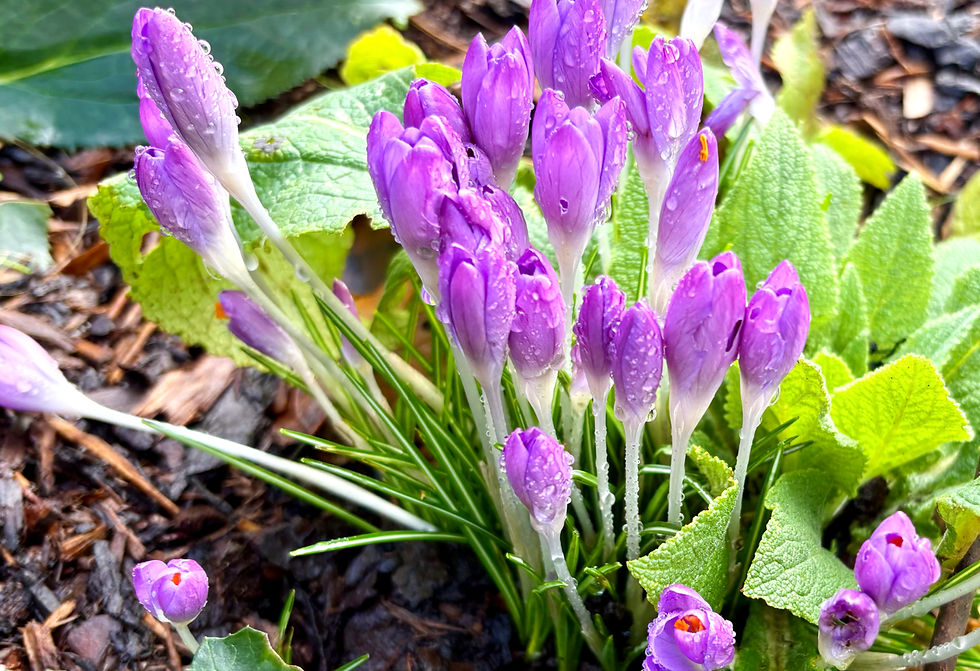
The first signs of spring are already appearing in my Hanwell garden, a welcome reminder that the long, rainy London winter is slowly giving way to brighter days. Crocuses are in bloom, daffodils and alliums are well on their way, and hellebores are looking stunning, often lasting well into April. Buds on fruit and blossom trees are swelling, ready to burst into flower, and my roses have begun producing new growth at least a month earlier than usual.

As a West London garden designer working across Ealing, Hanwell, Chiswick, Brentford and surrounding areas, I’m seeing clear evidence that our climate is shifting. Winters are milder, growth starts earlier, yet frost is still a risk and summer droughts are becoming more common. This means adapting how we care for our gardens, starting earlier in the season and preparing plants and soil for the conditions ahead. A little work now ensures plants reach their full potential when spring properly arrives.
Here is what to do in your gardens now, to prepare it for the year ahead:
1. Apply Bark
If bark mulch wasn’t applied to your flower beds in late autumn, now is the perfect time. February weather can be deceptive, encouraging plants to sprout too early while frost is still possible. A generous layer of bark provides valuable protection for tender shoots, improves soil structure as it breaks down, feeds plants, and helps retain moisture ahead of summer dry spells. Reapply later in the year once it has decomposed, and again in autumn to keep soil protected year-round.
2. Caring for Roses
Roses are already showing fresh shoots in West London gardens, and this is an ideal moment to shape plants. Established roses are hardy and rarely suffer from late frosts, so you can confidently remove crossing, damaged, or leggy stems. Most roses respond well to hard pruning, producing stronger, bushier growth. For climbing roses, long green stems should be trained horizontally along supports, which encourages more vertical flowering shoots and results in a spectacular flower display. Feeding every two weeks with a tomato feed will support vigorous growth and abundant blooms.

3. Hydrangeas
Hydrangeas, will still benefit from a little patience. In West London gardens, frost is still in the forecast, and last year’s flower heads offer natural protection for emerging buds. It is best to wait until late February or early March before cutting them back, so do not rush with that.
4. Water management
Water management is becoming increasingly important in West London garden design. With water meters now common across Ealing and other West London boroughs like Richmond, Hounslow and Harrow, so installing water butts is a worthwhile investment. Harvested rainwater supports plants through summer droughts and reduces reliance on mains water.
Efficient irrigation systems, especially those used at night, minimise evaporation and ensure water reaches roots where it is needed most. In the average suburban West London garden, even a short period of targeted night-time watering can make a significant difference while keeping bills down.
5. Clay soil
One of the defining characteristics of gardens in Ealing, and much of West London is heavy clay soil. Most of my garden design clients in West London struggle with this.
Clay soil is highly fertile, providing plants with excellent nutrition, but it also presents challenges. Lawns and new plantings can struggle when soil becomes waterlogged in winter and rock hard in summer. Improving soil structure is key.
What can you do to improve your clay soil?
When planting, dig wider holes than necessary and incorporate high-quality compost to break up the clay and give roots the best possible start. In very dense soil, adding gravel can further improve drainage. Where soil becomes extremely compacted, gypsum can be helpful. It separates soil particles, improves drainage, and does not alter soil pH, which is important in our naturally alkaline West London soils. Applied now, while rainfall helps it penetrate, results are often visible by summer.
We have just applied this during the construction of the garden I designed in Harrow that within first two days of landscaping works turned into massive clay pit full of water and after application of gypsum, the difference in drainage was visible within a week. Despite the rain, water is starting now to naturally drain into the soil. Magic.
6. Lawn Care
Lawns remain a central feature in most suburban West London gardens I design and deserve early-season care.
As growth resumes, aerating the lawn while the soil is still moist will improve root health and drainage. An organic liquid feed can be applied in early March, but only a few days after mowing to avoid scorching freshly cut grass. Bare patches should be repaired before hot weather arrives so new grass has time to establish. Use Patch Magic in March to give your new grass chance to establish before the heatwave.
Consistent mowing throughout the season keeps lawns dense and healthy, and modern robotic mowers are becoming an excellent solution for small West London gardens.
Preparing your garden now sets the stage for a resilient, healthy outdoor space ready for the unpredictable weather patterns we increasingly experience in West London. Thoughtful soil preparation, careful pruning, mulching, and water management all contribute to long-term success.

At Agata Henderson Garden Design, I continue to offer garden design and garden care consultations across West London, including Ealing, Hanwell, Richmond, Harrow, Brentford, and Chiswick.
Happy gardening!
Agata Henderson - West London Garden Designer


